Lighting, equipment connections, power distribution, data infrastructure, and life-safety systems all need to work together. When electrical planning happens too late, businesses may face unexpected upgrades, construction delays, and added costs.
For commercial property owners, general contractors, and business operators in San Diego, careful electrical planning is an essential part of a successful tenant improvement project.
/What Is Commercial Tenant Improvement Electrical Work?
Commercial tenant improvement electrical work involves installing, modifying, or upgrading a building's electrical systems to support a new tenant, business operation, or remodeled commercial space.
The scope may include new outlets and dedicated circuits; panels and distribution upgrades; lighting and controls; HVAC electrical connections; low-voltage pathways for data and security; fire-life safety coordination; and testing, inspections, and final connections.
The goal is safe, code-compliant electricity that fits the intended use of the building.
/Why Electrical Planning Should Start Before Construction
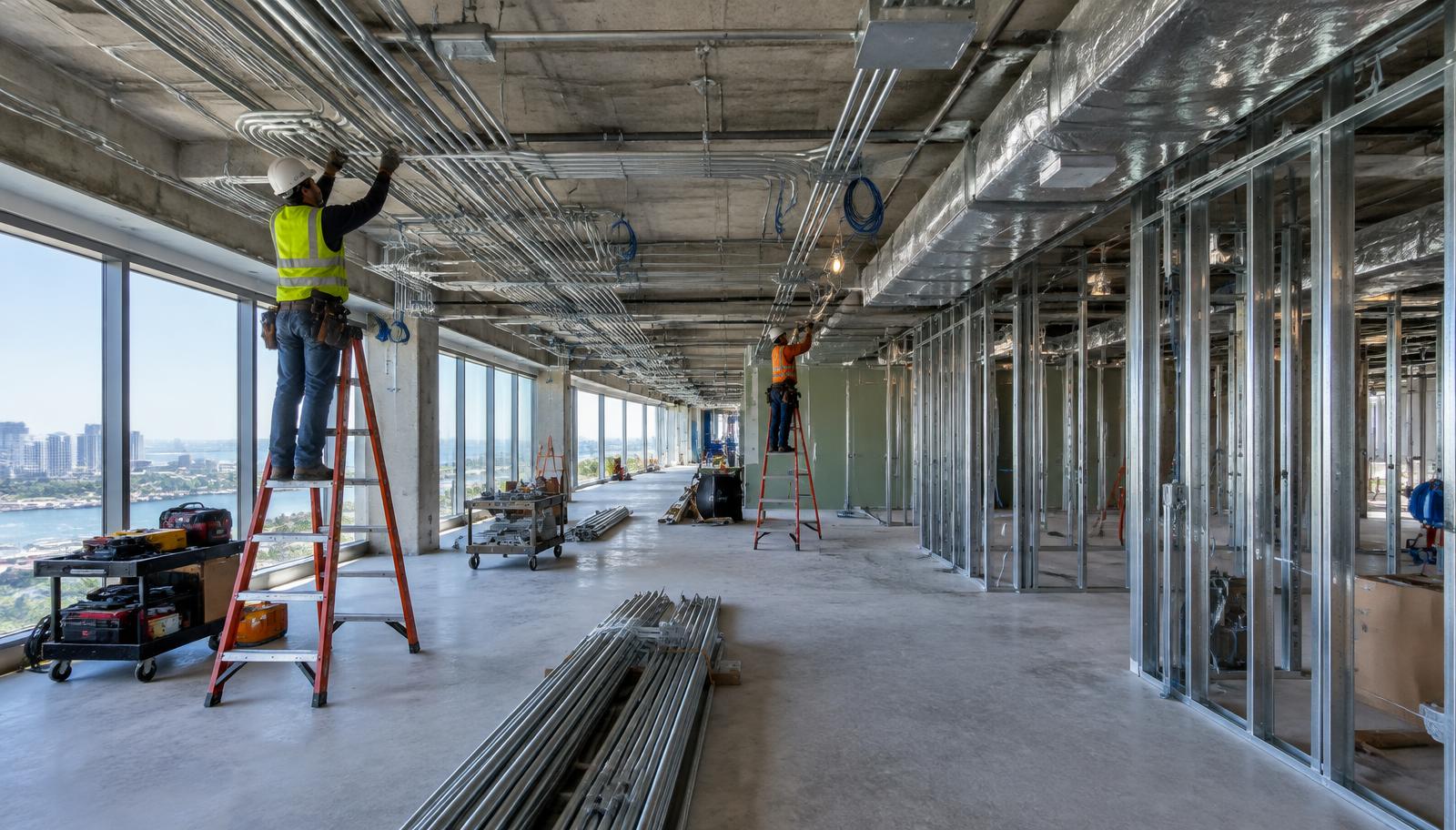
Commercial renovation schedules often involve electricians, framing crews, mechanical contractors, technology installers, fire alarm specialists, and inspectors. If electrical requirements are not established early, a project may discover that existing panels cannot accommodate new equipment, lighting plans conflict with completed ceilings, or data pathways interfere with mechanical installations.
Understand the tenant's equipment requirements
Different businesses have different loads. An office may need many outlets and data connections, while a restaurant needs specialized kitchen equipment. A warehouse might need power for machinery or charging equipment. Medical and laboratory facilities can have additional requirements involving specialized equipment and building systems. Business owners should give their contractor an accurate equipment list before electrical work begins.
Review existing infrastructure
An assessment should examine the existing service, distribution equipment, panel capacity, available circuits, feeders, equipment condition, and anticipated loads. A panel that served the last tenant isn't necessarily sufficient for the next one.
/Key Electrical Systems in a Commercial Build-Out
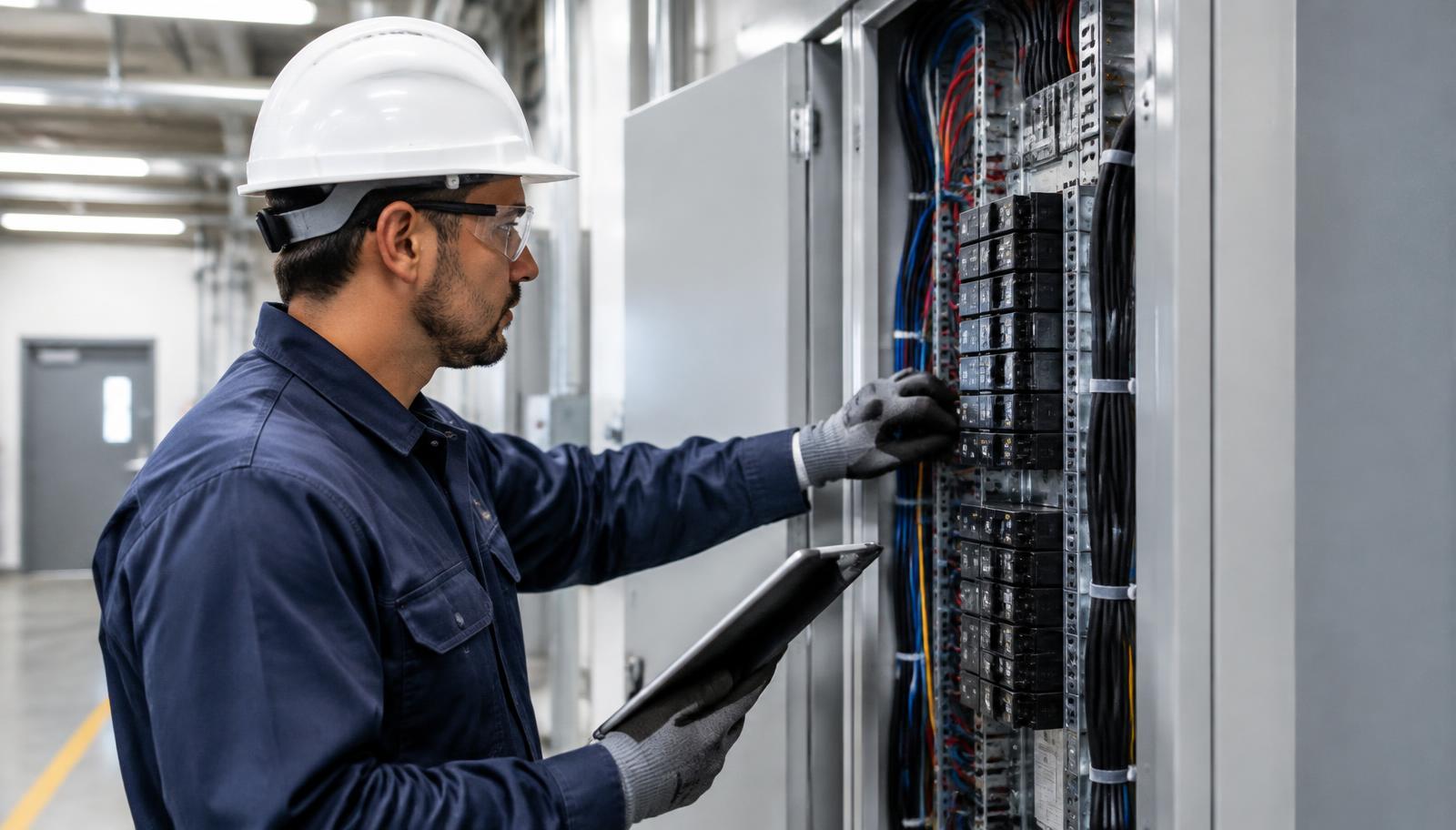
Power distribution and dedicated circuits
Commercial distribution supplies equipment, outlets, lighting, and building systems. A tenant improvement may require new branch circuits, panelboard modifications, feeder work, or other upgrades. Planning should account for current operations and reasonable expansion.
Commercial lighting and controls
A renovation may involve LED fixtures, task lighting, exterior lighting, occupancy sensors, daylight-responsive controls, and emergency or exit lighting where required. California's applicable Title 24 energy standards can influence lighting and control design.
Data and low-voltage infrastructure
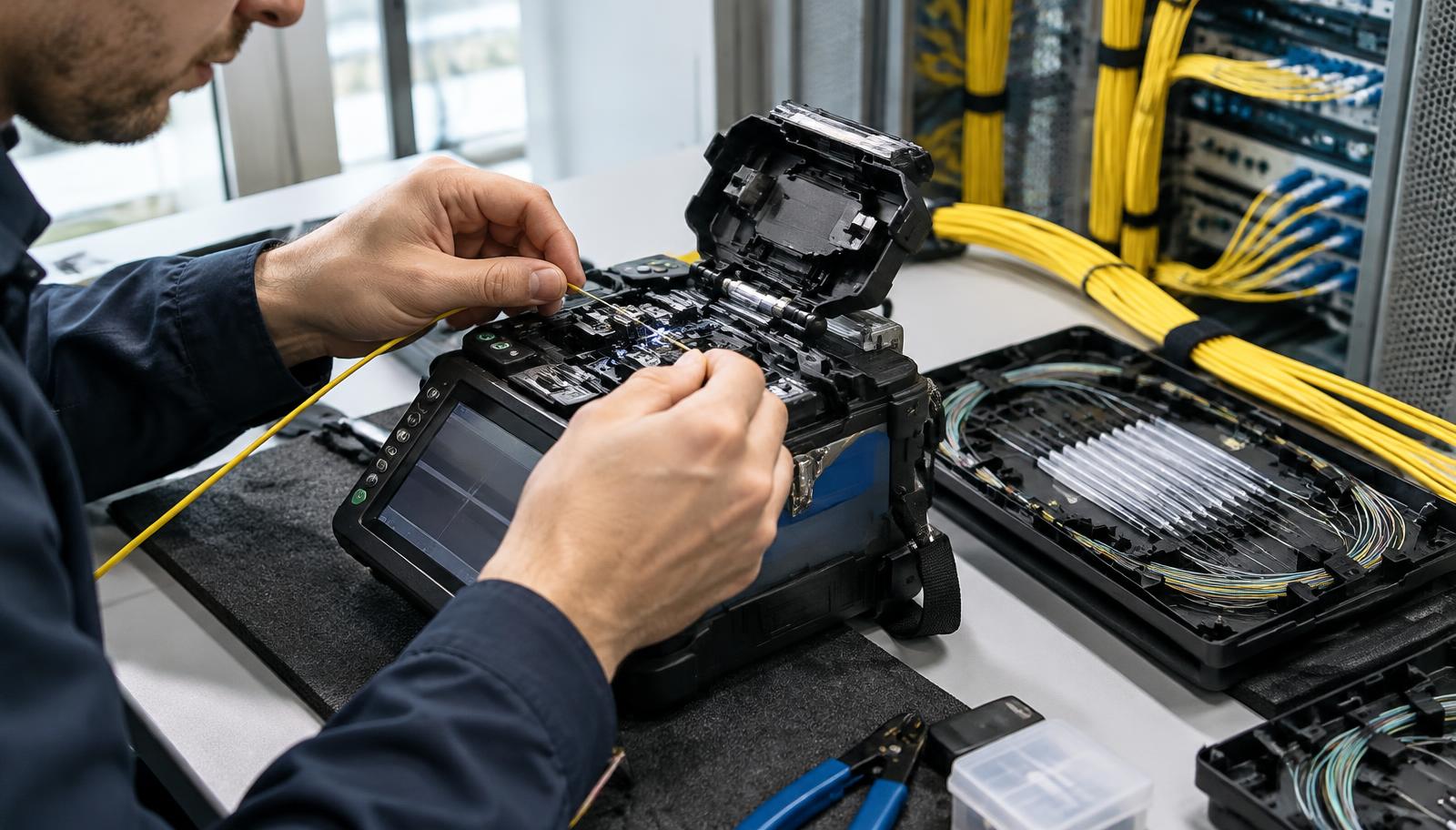
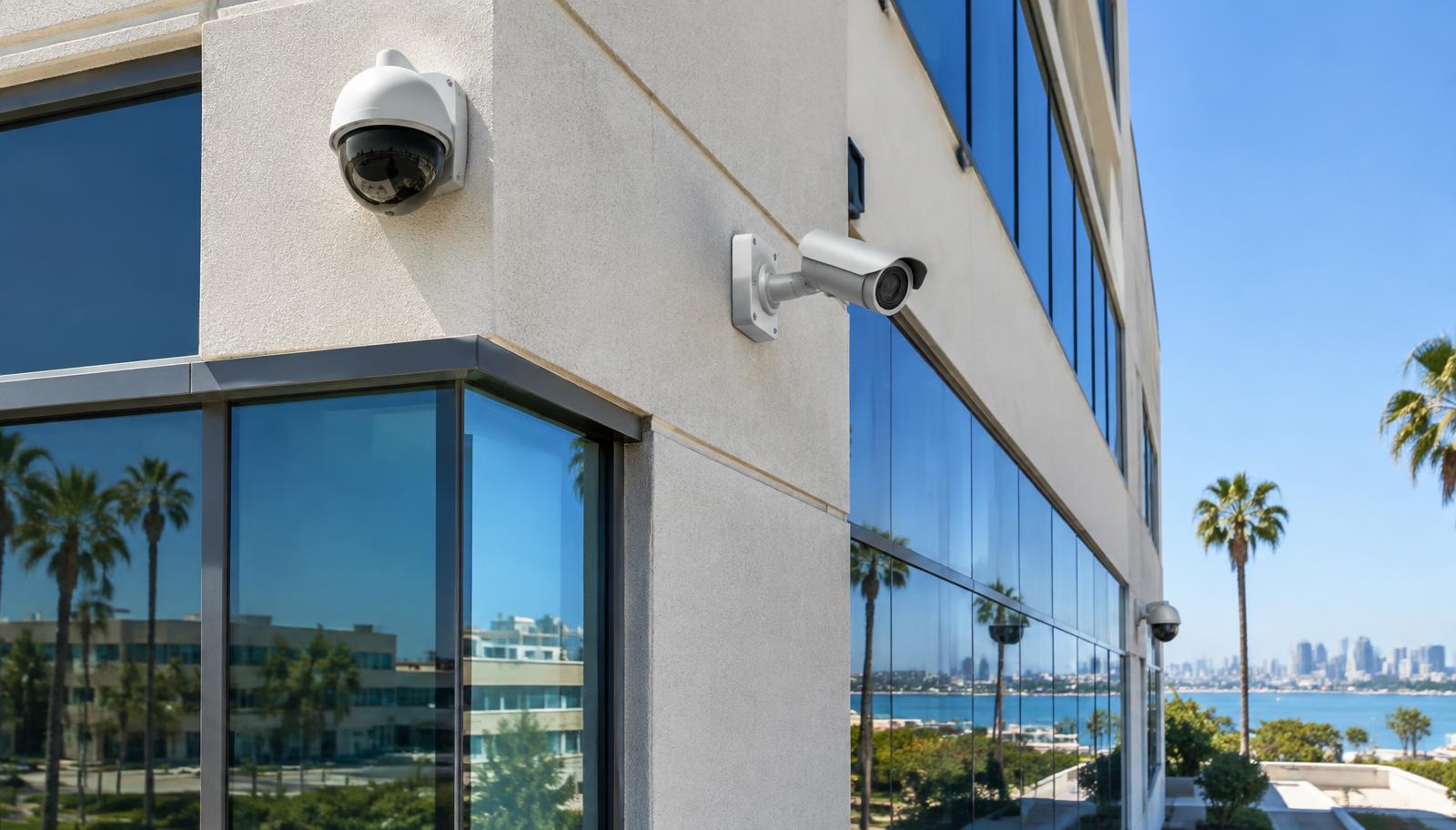
Modern facilities depend on network connections, security systems, and communications equipment. Cabling pathways should be planned before walls and ceilings close. Depending on the project, the infrastructure may support structured cabling, fiber optics, CCTV cameras, and access control.
Fire alarm and life-safety coordination
Tenant improvements can affect fire detection and notification requirements. Changes in room layout, partitions, occupancy, or use may require review of the existing system. Fire alarm work must be coordinated with the relevant design professionals and authority having jurisdiction.
/What Should Business Owners Check Before Hiring an Electrical Contractor?
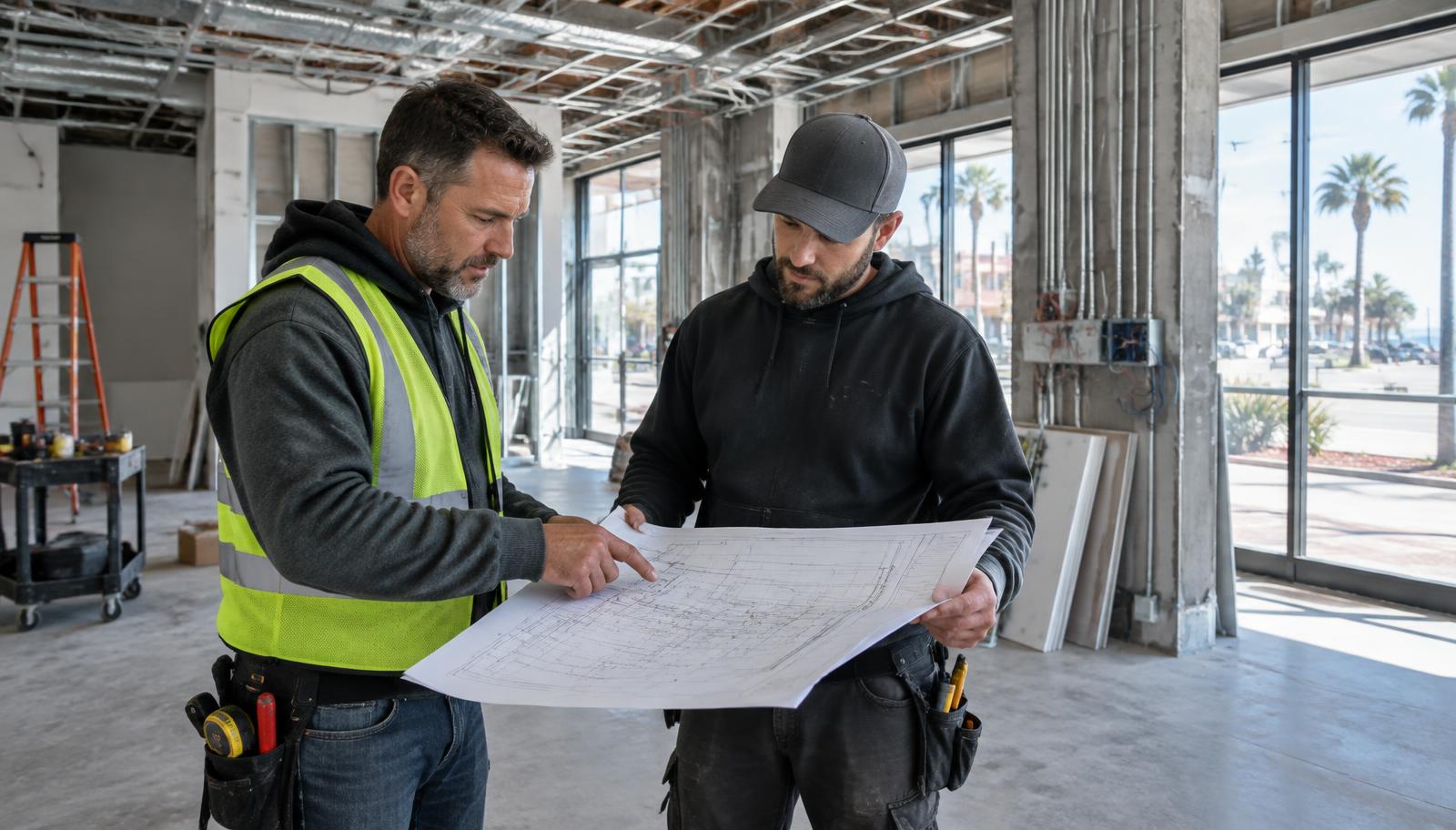
A capable commercial contractor should understand construction schedules, occupied facilities, and coordination with other trades. Ask about:
- Commercial experience: Has the team worked on similar building types and uses?
- Licensing and insurance: Does it hold the appropriate California electrical credentials and insurance?
- Trade coordination: Can it work from plans and communicate with the general contractor?
- Permits and inspections: Who handles the electrical scope and documentation?
- Shutdown scheduling: Can disruptions be planned to reduce business downtime?
- Testing and closeout: How is completed work verified and documented?
When comparing bids, look beyond the total price. Different proposals may include different equipment, permits, testing, or responsibilities.
/Commercial Electrical Permits in San Diego
Requirements depend on the work and the jurisdiction. The City of San Diego's electrical permit guidance describes different routes for electrical approvals, including projects involving plan review.
Complex commercial modifications may need drawings, calculations, and coordination with building permits. Requirements outside city limits can differ. The contractor should identify applicable requirements before work begins and coordinate inspections before modified equipment is put into service.
Reference: City of San Diego electrical permit guidance
/How to Reduce Downtime During Electrical Renovations
For occupied properties, keeping businesses operational can be as important as meeting the construction schedule.
- Identify equipment that cannot be shut down during regular hours.
- Schedule electrical shutdowns with advance notice.
- Coordinate interruptions with IT and facility teams.
- Separate construction areas from employees and customers.
- Confirm temporary power needs.
- Document and test modified circuits before handover.
A carefully phased installation may allow operations to continue while improvements are completed.
/Frequently Asked Questions About Commercial Electrical Tenant Improvements
What does a commercial electrician do during a tenant improvement?
A commercial electrician installs or modifies the electrical systems needed for the space, including circuits, lighting, panels, equipment connections, and coordination with related building systems.
Do all commercial tenant improvements require electrical upgrades?
No. Some spaces already have suitable infrastructure. Others need changes based on the new tenant's equipment and use.
How long does commercial electrical installation take?
Timing depends on project size, design complexity, materials, permitting, and coordination with other trades.
Can electrical work be completed after business hours?
Some work, especially shutdowns and tie-ins, can be planned outside regular business hours. Discuss scheduling with the contractor early.
Is low-voltage work part of commercial electrical construction?
It can be part of the overall scope. Structured cabling, security infrastructure, and fiber optic systems should be coordinated with the electrical contractor and appropriate specialists.
/Work With a Commercial Electrical Contractor in San Diego
A successful tenant improvement starts with a clear electrical plan. Benson Electric supports commercial construction, tenant improvements, power distribution, lighting, and troubleshooting throughout San Diego County.
Our team works with business owners, general contractors, developers, and property managers to help deliver organized electrical installations.
Whether your project is in San Diego, Kearny Mesa, Chula Vista, Poway, El Cajon, or nearby areas, Benson Electric can help evaluate requirements and coordinate the work.
Ready when you are
Get a Free Tenant Improvement Quote
Call (619) 390-1922 or visit our commercial electrical services page to discuss your project and request a free quote.
Get a free quote