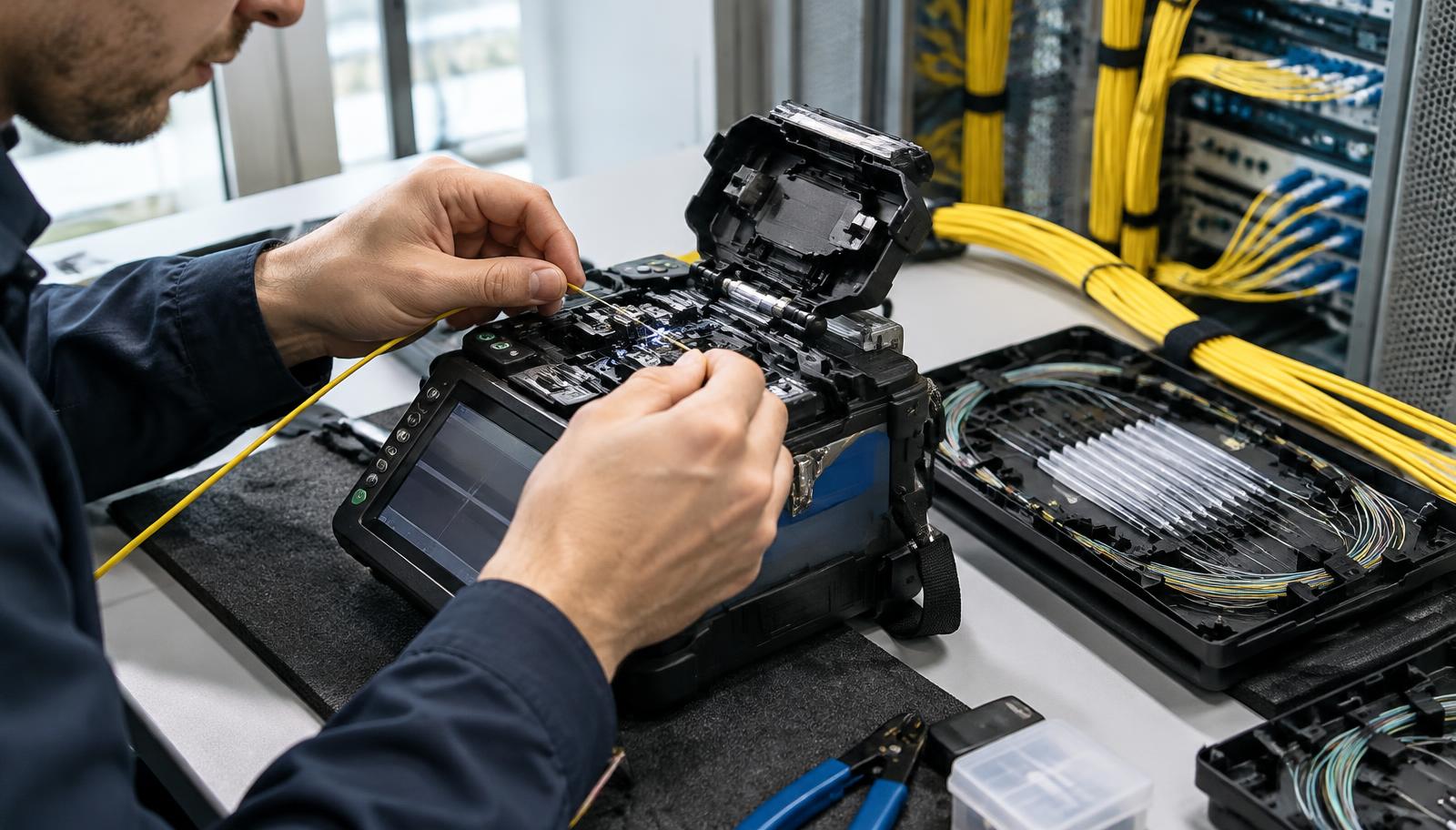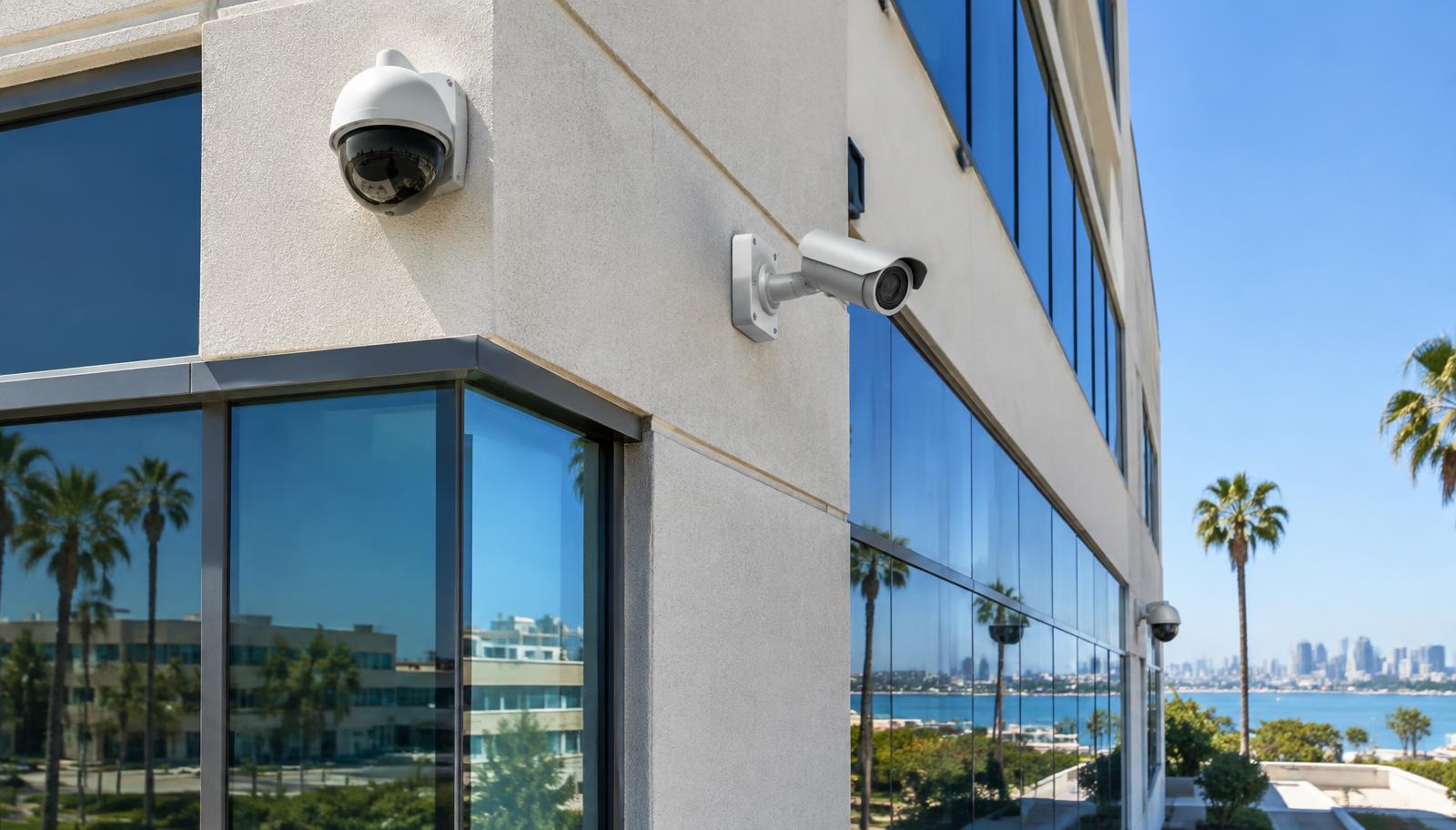
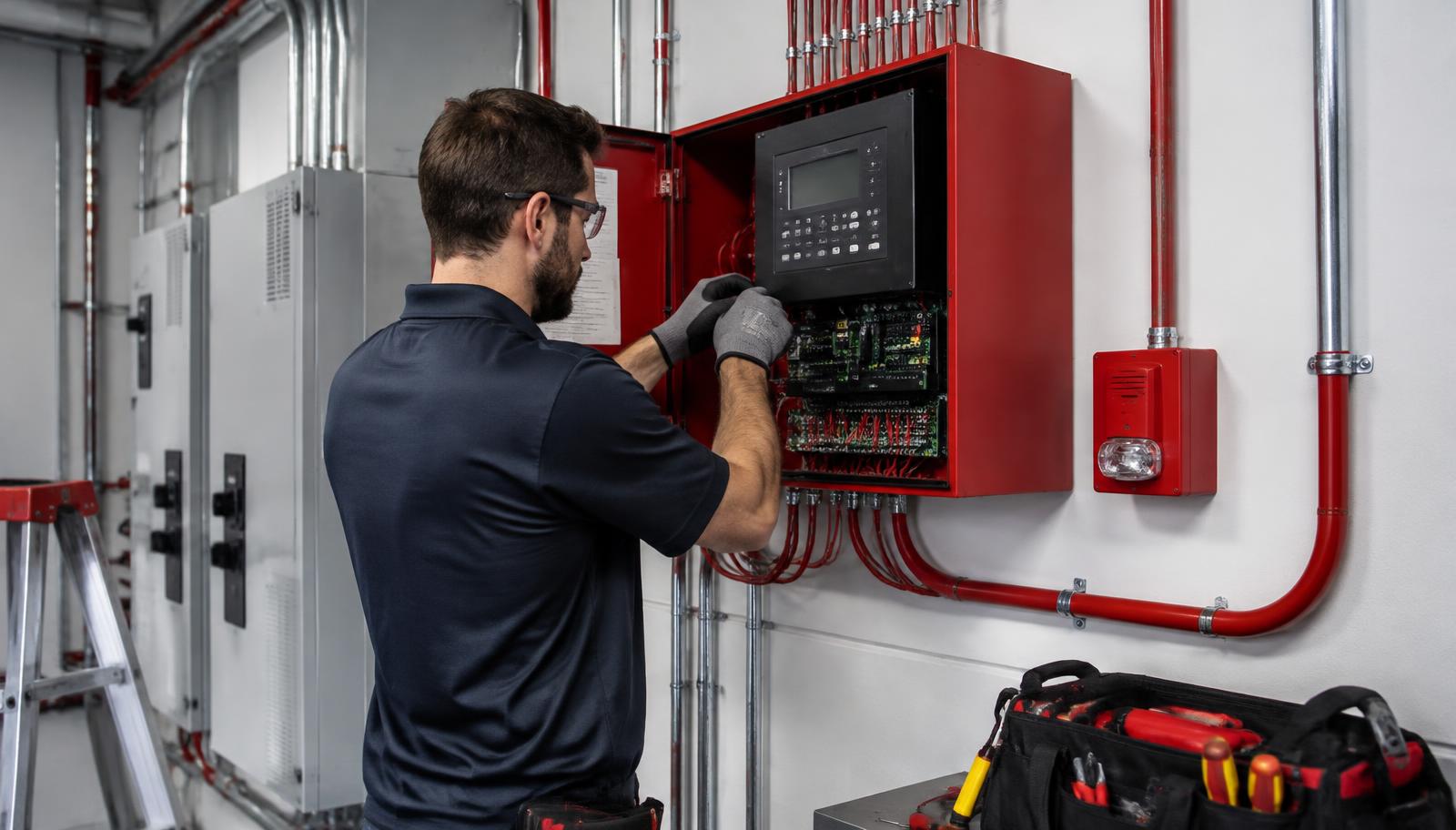
Whether you're developing a new commercial property, renovating an existing facility, or replacing aging equipment, proper system design and installation matter.
A commercial fire alarm system must do more than detect smoke or activate an alarm. It must provide appropriate notification, communicate with other building systems when required, and meet the codes applicable to the property.
For building owners, facility managers, and general contractors in San Diego, understanding the installation process can help prevent avoidable complications during construction and inspection.
/What Is Commercial Fire Alarm Installation?
Commercial fire alarm installation is the process of designing, installing, connecting, and testing fire detection and notification equipment for a commercial or multifamily building according to its applicable code requirements.
Depending on the facility, the system may include:
- Fire alarm control panels
- Smoke and heat detectors
- Manual fire alarm boxes
- Horns, strobes, and other notification appliances
- Emergency voice evacuation equipment
- Monitoring connections
- Addressable detection devices
- Interfaces with other building systems
- Specialized detection equipment
The design must reflect the building's size, occupancy, layout, and applicable requirements. Not every commercial building needs the same equipment.
/Why NFPA 72 Matters for Commercial Fire Alarm Systems
NFPA 72, the National Fire Alarm and Signaling Code, establishes widely adopted requirements for fire alarm and signaling system design, installation, inspection, testing, and maintenance.
San Diego projects must also follow the applicable California Building Code, California Fire Code, electrical requirements, and locally adopted amendments.
The City of San Diego describes its fire alarm permitting process in Information Bulletin 137. Specific requirements depend on the building and project. The contractor should review the approved design and coordinate with the authority having jurisdiction.
Why system design comes first
Installing devices without an approved, coordinated design can result in coverage issues or failed inspections. Design considers occupancy, detector location, notification, system interfaces, monitoring, ceiling height, room layouts, and the building's operational needs.
Reference: City of San Diego Information Bulletin 137
/Different Types of Commercial Fire Alarm Systems
Conventional fire alarm systems
Conventional systems generally group detection devices into zones. When an alarm activates, the panel identifies the affected zone rather than necessarily identifying a specific device. These systems may be appropriate for selected smaller facilities or existing installations.
Addressable fire alarm systems
Addressable systems can identify individual devices or points. This can help facility personnel locate trouble conditions and investigate alarms more efficiently. They are commonly considered where device-level identification and larger system capabilities are valuable.
Emergency Voice/Alarm Communication Systems (EVACS)
EVACS provides spoken emergency instructions through a building's communication equipment. Unlike systems relying only on horns and strobes, voice evacuation systems can deliver intelligible instructions. They may be required for certain occupancies and buildings.
Very Early Smoke Detection Apparatus (VESDA)
VESDA uses aspirating smoke detection technology to identify very small concentrations of airborne particles. It can be suitable for specialized environments such as certain data rooms and sensitive equipment areas. Selection should follow design and risk assessment.
/When Should a Commercial Property Upgrade Its Fire Alarm System?
A system may need evaluation when a building changes or reliability concerns arise:
- Major renovations: New walls, ceilings, or occupancy can affect detection and notification.
- Building expansions: Additional occupied space can require more devices or capacity.
- Outdated equipment: Older systems may have discontinued parts or limited compatibility.
- Recurring trouble signals: Frequent faults warrant investigation.
- Changed use: Different operations or occupancy may trigger updated requirements.
An upgrade does not automatically mean every device needs replacement. A qualified contractor should assess equipment condition, compatibility, and applicable code requirements first.
/What Happens During Commercial Fire Alarm Installation?
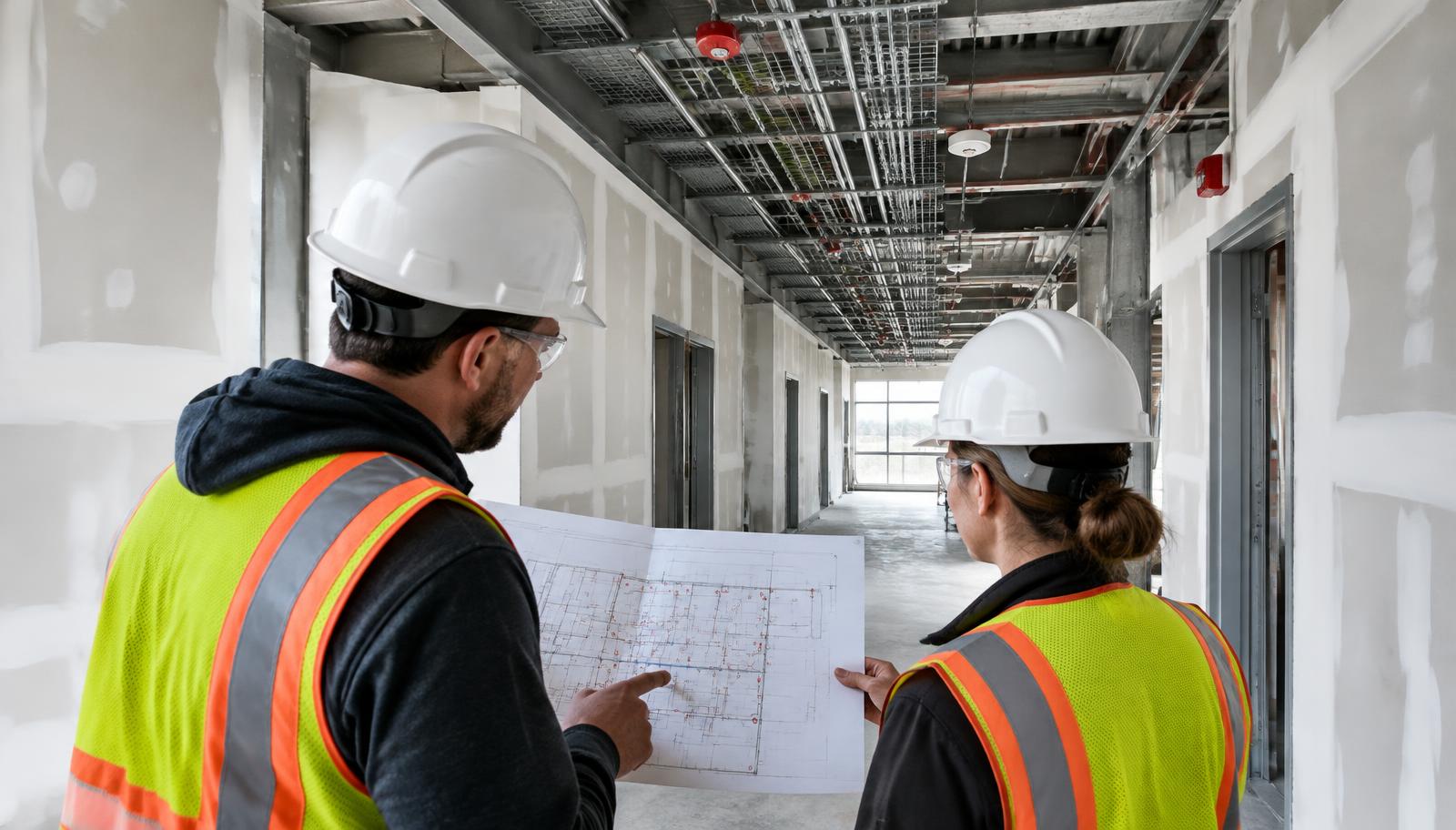
Step 1: Assessment
Review building use, plans, existing equipment, and the project's requirements.
Step 2: Design and permitting
Prepare required drawings and documents and coordinate with permitting and fire authorities.
Step 3: Wiring and equipment
Install approved pathways, cables, control panels, detectors, and notification devices. Coordinate with electrical, HVAC, ceiling, and architectural work.
Step 4: Programming and integration
Configure appropriate functions and interfaces, potentially including monitoring, sprinkler signals, elevators, or other building systems.
Step 5: Testing and acceptance
Perform necessary checks and acceptance procedures. Some tests may need to be witnessed by the authority having jurisdiction. Address documentation and turnover at closeout.
/Fire Alarm Inspection and Testing After Installation
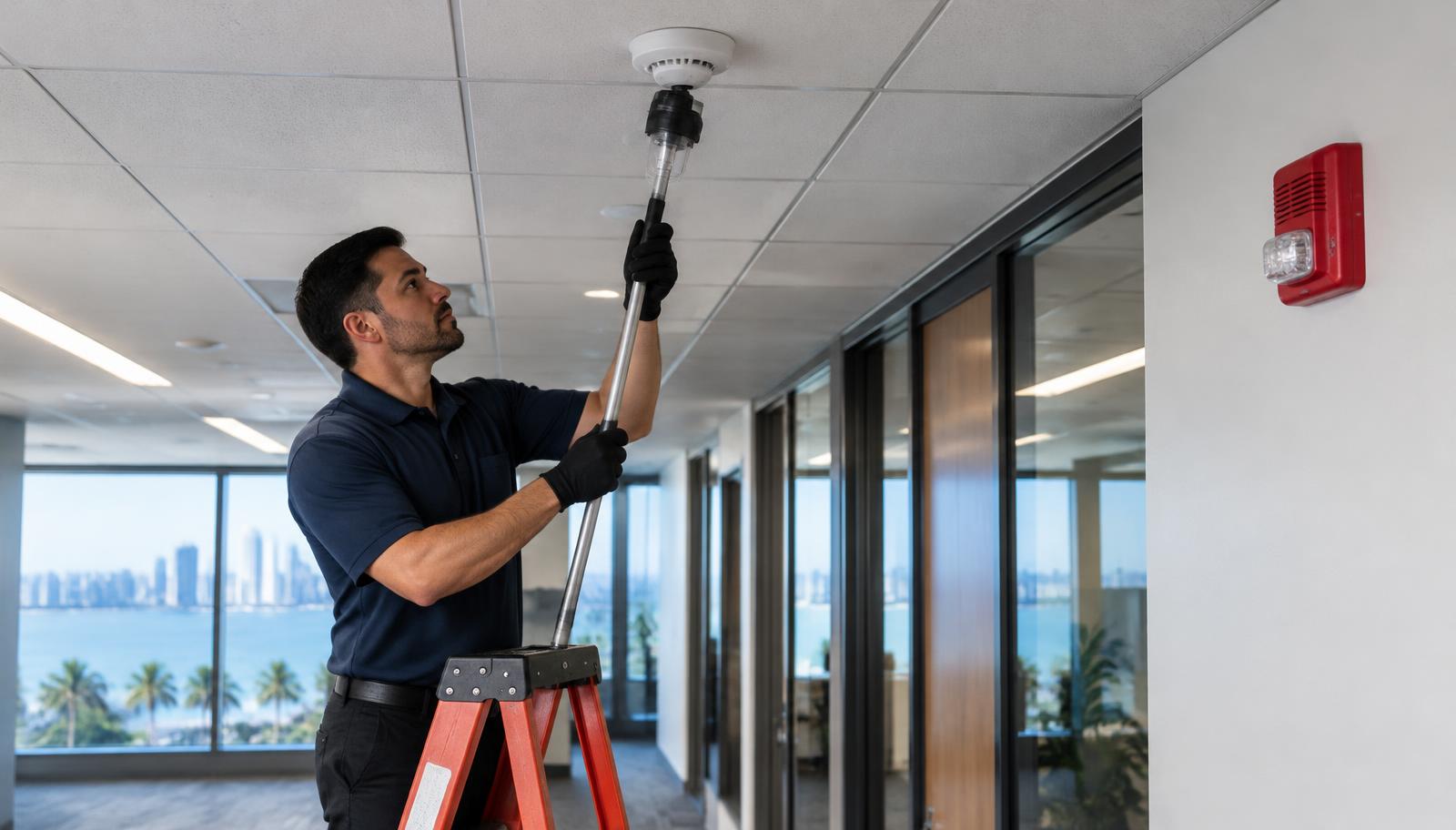
Fire alarm installation is not the end of a property owner's responsibilities. Ongoing inspection, testing, and maintenance must follow applicable requirements and equipment specifications.
Testing can reveal failed or obstructed detectors, notification issues, batteries or power supply problems, communication failures, wiring faults, and damaged equipment.
Intervals vary by component and system requirements. Do not assume one annual visit covers every testing obligation. Proper documentation helps facility managers track system condition and maintenance.
/Why Fire Alarm and Electrical Coordination Matters
Fire alarm systems interact with other building equipment, and construction teams often require multiple specialists.
A commercial electrical contractor with fire-life safety capabilities can help coordinate pathways, power supplies, project schedules, and installation responsibilities. This is especially important for tenant improvements, new construction, and major retrofits.
Clear coordination can reduce trade conflicts and help align the work with approved plans.
/Frequently Asked Questions About Fire Alarm Installation
Does a commercial building in San Diego need a fire alarm permit?
Fire alarm installation and many modifications require permits. Procedures and requirements depend on the project and jurisdiction.
What is the difference between a smoke detector and a fire alarm system?
A detector is one detection device. A commercial fire alarm system can connect detectors, control equipment, notification appliances, monitoring, and other building functions.
How often should fire alarm systems be inspected?
Intervals depend on the system components and applicable requirements. Some activities happen more often than others. A qualified contractor can help determine the appropriate schedule.
Can an existing fire alarm system be expanded?
Often, if system capacity, equipment compatibility, code requirements, and the building's proposed changes permit it.
Who installs commercial fire alarm systems in San Diego?
An appropriately licensed contractor experienced in commercial fire alarm work should perform the installation in coordination with required designers and fire authorities.
/Work With a Fire-Life Safety Contractor in San Diego
Protecting a commercial facility requires carefully planned fire alarm infrastructure and dependable installation.
Benson Electric provides commercial fire alarm installation, upgrades, troubleshooting, inspection and testing services, addressable systems, and emergency voice evacuation solutions.
Our team supports commercial property owners, facility managers, and general contractors throughout San Diego County, with commercial fire-life safety capabilities extending to qualifying projects nationwide.
Whether you're planning new construction, a tenant improvement, or a retrofit, Benson Electric can help assess your needs.
Ready when you are
Discuss Your Fire Alarm Project
Call (619) 390-1922 or visit our fire-life safety services page to discuss your project and request a quote.
Get a free quote