EV charging is one of the most practical upgrades you can make. For homeowners, it adds daily convenience. For businesses, it can attract customers, support employees, or prepare a property for the future. But an EV charger is also a significant electrical load—so the installation needs the right circuit, correct breaker sizing, and enough capacity in the panel to run safely.
Here’s what to know before installing EV charging at home or at work in the San Diego area.
Level 1 vs. Level 2 Charging (Quick Overview)
- Level 1 plugs into a standard outlet and charges slowly.
- Level 2 uses a dedicated 240V circuit and charges much faster.
Most people choose Level 2 once they want consistent overnight charging or multiple vehicles in a household.
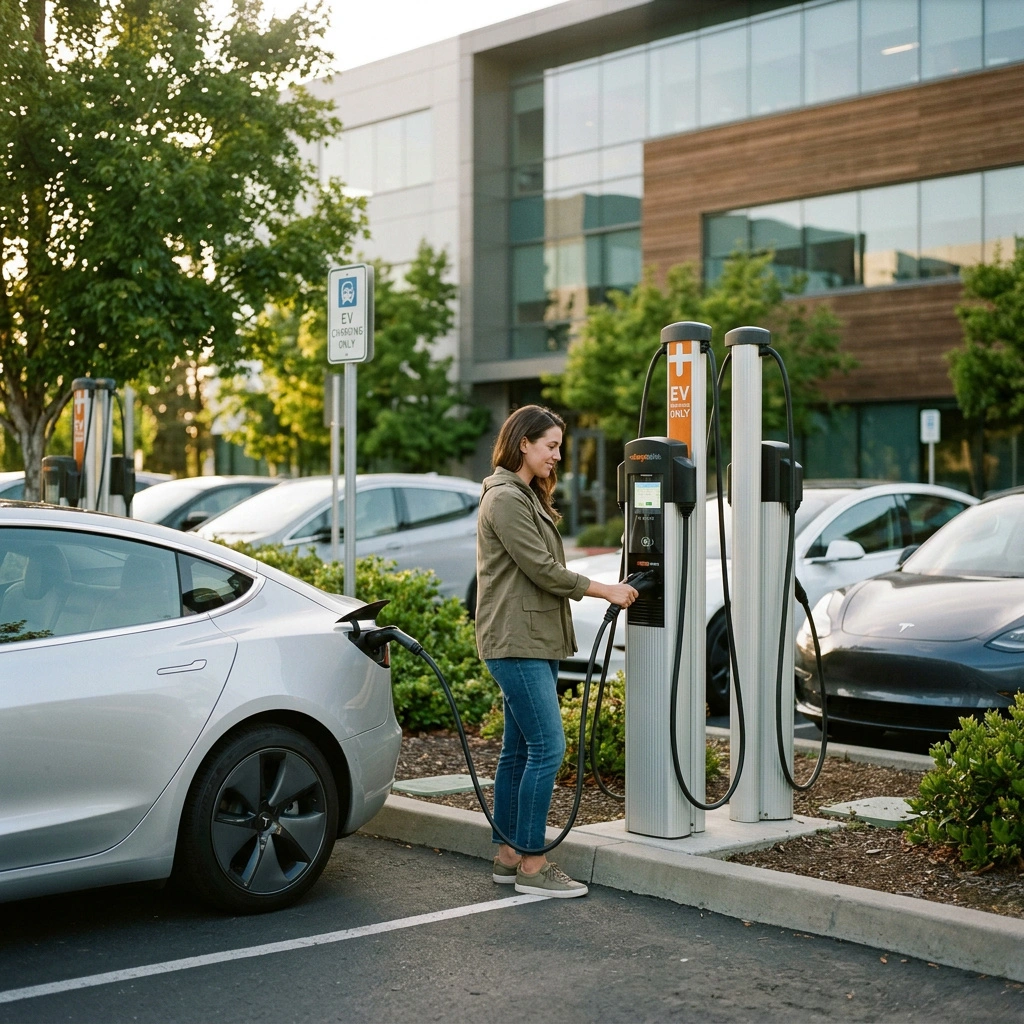
What a Level 2 EV Charger Usually Needs
While every property is different, most Level 2 installations require:
- A dedicated 240V circuit based on the charger’s specs
- Proper wire sizing and a correctly rated breaker
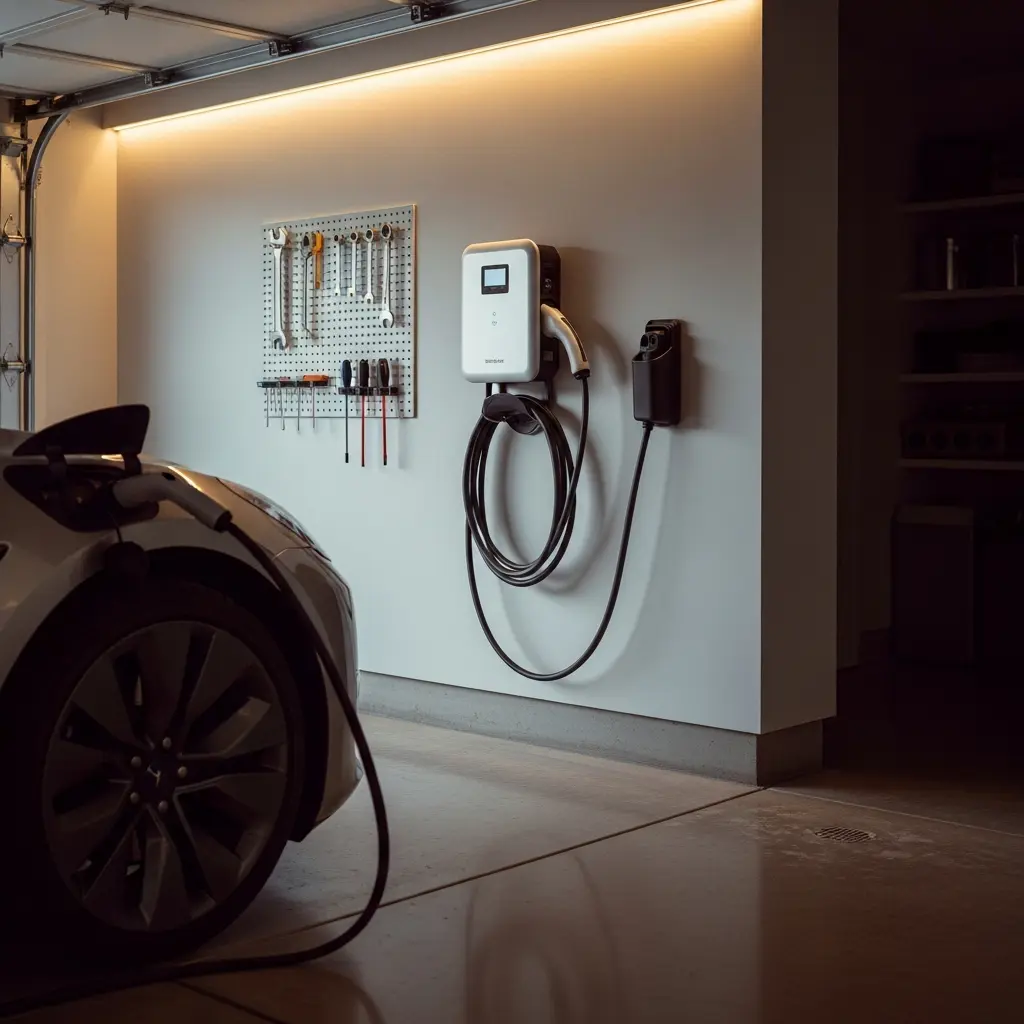
- A safe mounting location (garage, carport, or outdoor wall with weather considerations)
- A check of panel space and capacity to handle the added load
- Permitting/inspection where required (varies by jurisdiction and scope)
Home EV Charger Planning Tips
Pick a location you’ll like every day
Cable reach matters. Think about how you park, where the charge port sits, and whether you want a clean cord route.
Avoid overloading an already-busy panel
Homes with A/C, electric dryer, electric range, pool equipment, or major remodel additions may be closer to capacity than you think. A quick evaluation can confirm if you can add the charger as-is or if other updates are needed.
Plan for the next step
If you may add a second EV or upgrade appliances later, mention it up front. Smart planning can help avoid rework.
Business EV Charger Planning Tips
For commercial installs, planning starts with the use case:
- Employee charging during the workday
- Customer charging for retail/hospitality
- Tenant charging for multi-unit properties
- Fleet charging for service vehicles
Commercial charging often grows over time, so it helps to plan electrical capacity and layout with expansion in mind.
Also consider:
- Lighting and visibility in the charging area
- Protection from vehicle impact (where needed)
- Clear signage and safe walking paths
Common Mistakes to Avoid
- Installing without confirming panel capacity and available breaker space
- Mounting chargers where cords create trip hazards
- Underestimating how often multiple chargers will run simultaneously
- Using temporary wiring approaches that aren’t built for long-term reliability
- Skipping a professional load evaluation in older buildings
Signs You May Need Electrical Upgrades First
You may need circuit or panel work before EV charging if:
- Breakers already trip sometimes
- Your panel is full or poorly organized
- Lights dim when large appliances run
- The building is older and hasn’t been reviewed recently
- You’re adding EV charging plus other upgrades (A/C, remodel, equipment)
EV charging is a strong upgrade for convenience and property value—but it should be installed with the right electrical foundation. For EV charger installation in San Diego and nearby cities, Benson Electric can evaluate your panel, add the correct circuit, and install a safe, reliable setup for home or business. Contact Benson Electric to start planning your EV charger project.