For homeowners, EV charging adds daily convenience and lets you skip the public-station routine. For businesses, it's an amenity for staff and customers and a sign that your property is keeping up with the way people drive today. The catch: a charger is only as good as the electrical system behind it.
/Start with what you're charging
Level 1 (120V standard outlet)
Slow, simple, and best for plug-in hybrids or very low daily mileage. No new wiring required, but expect single-digit miles of range per hour.
Level 2 (240V dedicated circuit)
The most common home and workplace setup. Adds 20–40+ miles of range per hour and typically requires a dedicated 40A or 50A circuit.
DC fast charging
Commercial-grade equipment fed from three-phase service. Right for fleets, dealerships, and high-traffic retail — not a residential install.
/Panel and circuit considerations
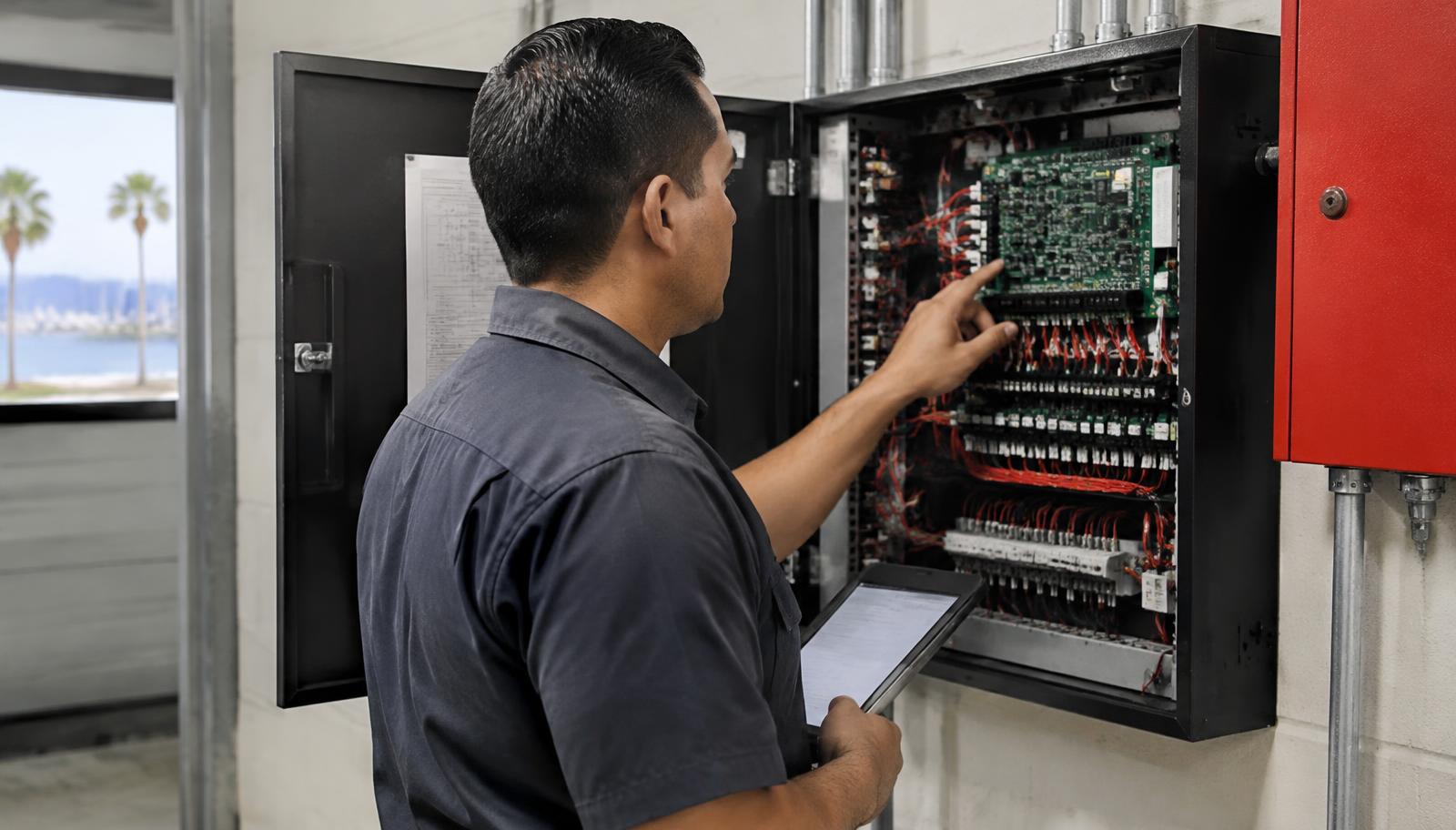
- Verify available capacity in your main panel before picking equipment
- Run a dedicated circuit sized to the charger and the wire run
- Use a 'hardwired' install where possible to reduce heat at the connection
- Confirm GFCI/EVSE protection meets current code
- Document the install for permits, inspections, and insurance
/Safety tips that pay off long term
- Never use an extension cord with EV charging equipment
- Inspect the cable, plug, and connector regularly for wear or heat damage
- Keep the charger and panel area clear of stored items
- If a breaker trips repeatedly during charging, stop and call an electrician
/Planning ahead for businesses
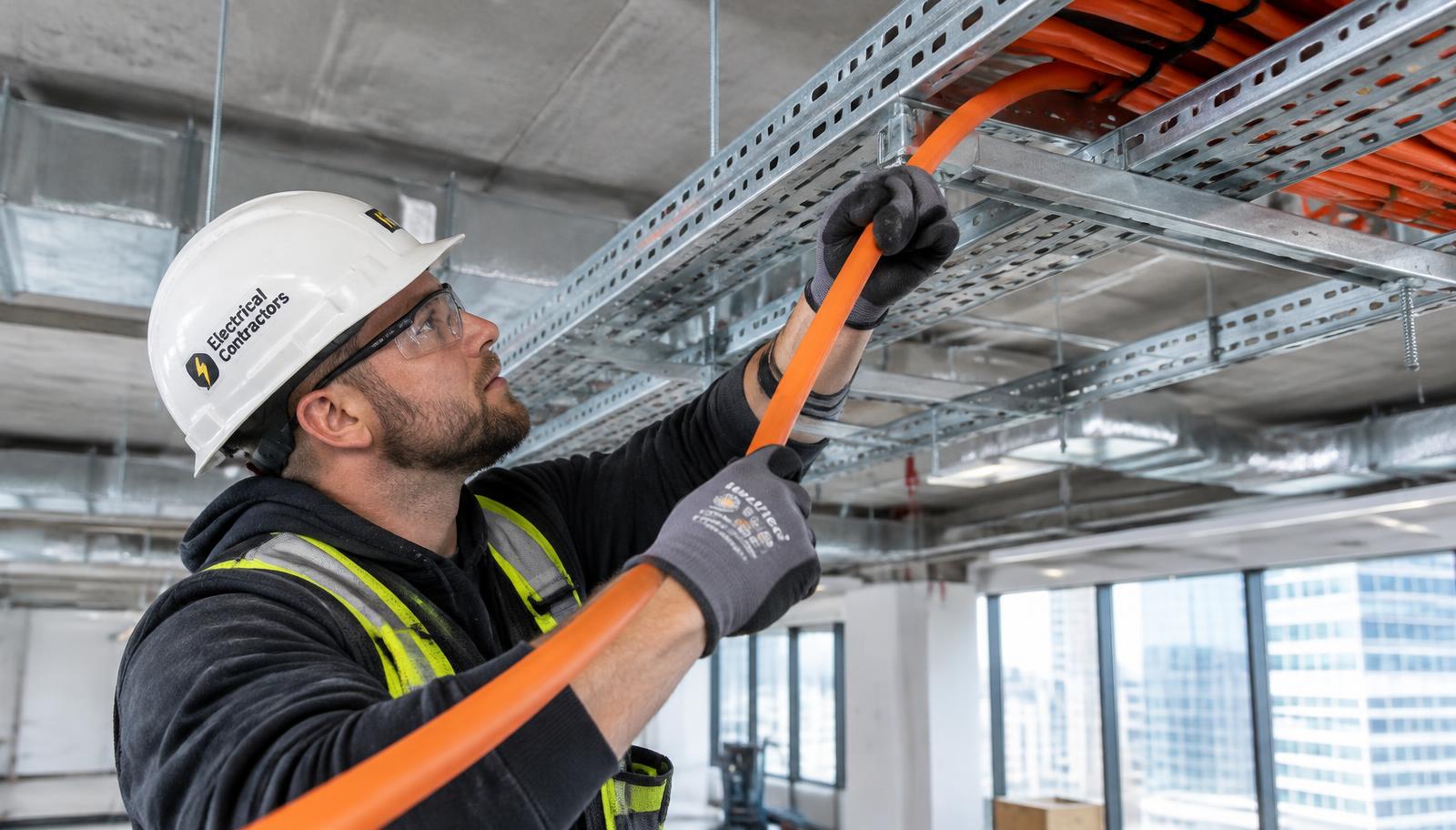
Commercial installs need more than a circuit — they need a site plan. Think about parking layout, ADA accessibility, conduit runs, payment or access control, signage, and how the chargers tie into your service. Doing this early avoids ripping up freshly paved lots later.
Ready when you are
Get EV-charging ready, the right way
Benson Electric installs Level 2 and DC fast chargers for homes, businesses, and fleets across San Diego. Reach out to plan a code-compliant install.
Get a free quote